
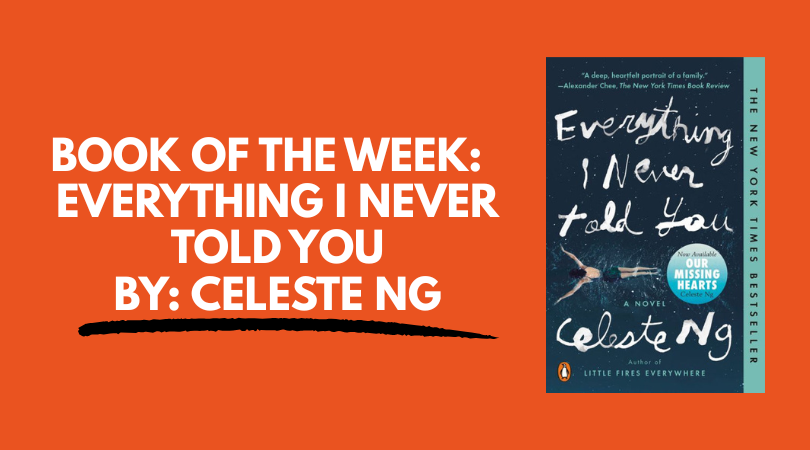
How much of your life has been shaped by things that were never actually said out loud?
That is the quiet question sitting underneath every page of Everything I Never Told You, written by Celeste Ng. This is not a loud book. It does not chase you with plot twists or shock value. It pulls you in slowly, patiently, and then it stays with you long after you close it.
I read this book a while ago, and flipping back through it recently brought everything rushing back. The imagery. The family tension. The unspoken expectations. The quiet pain. The kind of pain that feels familiar because it mirrors real life more than we would like to admit.
This book reminded me of my family. The good, the bad, and the ugly. And if we are being honest, most families have all three.
A Story That Tells You The Ending First
The book opens with the death of Lydia Lee. We know early on that she is gone. This is not a mystery about who did it. It is a deeper, more uncomfortable exploration of how a family slowly unravels long before tragedy ever strikes.
That structure matters.
By removing suspense, Celeste Ng forces you to focus on cause instead of outcome. You are not racing to the end. You are paying attention to every decision, every silence, every assumption that quietly stacked up over time.
That is what makes this book powerful. It shows how nobody intended harm, yet harm still happened.
The Lee Family And The Weight They Carry
The Lee family looks normal from the outside. Two parents. Three kids. Suburban Ohio in the 1970s. But beneath the surface, everyone is carrying something they never volunteered to hold.
James Lee, the father, is Chinese American and painfully aware of his difference in a mostly white world. He wants acceptance. He wants normalcy. He wants his children to fit in where he never fully could.
Marilyn, the mother, is brilliant, ambitious, and frustrated. She wanted to be a doctor. Life pulled her in another direction. That dream did not die. It just got redirected.
And then there is Lydia.
Lydia becomes the vessel for everyone else’s unmet needs.
James wants her to be popular. Marilyn wants her to be exceptional. Lydia wants to make everyone happy. So she pretends. She pretends she has friends. She pretends she is okay. She pretends she wants what they want.
Nobody checks. Everyone assumes.
That assumption is the real villain of the book.
Unspoken Expectations Are Still Expectations
This is one of the clearest lessons in the entire story. Just because something is not said does not mean it is not felt.
Pressure does not need words to exist.
In this family, expectations are everywhere, but clarity is nowhere. Lydia feels responsible for holding the family together, even though no one ever told her that was her job.
This hit me hard as a leader.
How often do we think we are being supportive, when in reality we are just being vague? How often do we believe people understand our expectations, simply because they live close to us or work alongside us?
In business, that kind of thinking creates confusion, resentment, and burnout. In families, it creates distance disguised as love.
Clarity is kindness. This book makes that painfully obvious.
Silence Is Not Peace
One of the most uncomfortable truths in this story is how quiet it is. Nobody fights loudly. Nobody explodes constantly. On the surface, things seem calm.
But silence does not mean peace. It often means avoidance.
No one talks openly about race, yet it shapes nearly every interaction James has with the world and his family. No one talks about resentment, yet it seeps into every decision Marilyn makes. No one talks about loneliness, yet everyone feels it deeply.
They confuse not arguing with being close.
That mistake costs them everything.
This book does an incredible job showing how silence creates stories, and those stories are usually wrong. When people do not communicate, they fill in the blanks themselves. And those assumptions almost never serve the truth.
The Unseen Racism That Hits When You Least Expect It
One of the reasons this book stuck with me is how accurately it portrays subtle, everyday racism. Not the loud kind. Not the obvious kind. The quiet kind that shows up in comments, assumptions, and questions that people think are harmless.
It reminded me of a moment with Melisa years ago.
We were in an airport, sitting at a bar grabbing a beer before our next flight. Two white guys from Texas were sitting next to us. I excused myself to go to the restroom. When I came back, they were gone.
Melisa looked at me and said, “You will never believe what those guys asked me.”
She told me they asked what her parents thought about her being married to me.
At first, I did not understand why that question carried weight. Then she added, “Because you are not white.”
That was the moment it clicked.
That was what my dad had been talking about my entire life. Things I never saw because I did not have to. I had always been around people of every background. I never felt different. But that does not mean it was not there.
This book brought that reality into focus. Not in an accusatory way. In an honest way. The kind that makes you pause and reflect instead of getting defensive.
Identity Versus Belonging
Another major theme in this book is the tension between being yourself and being accepted.
James spent his life trying to belong. That desire quietly shaped how he raised his kids. Marilyn spent her life fighting expectations, only to recreate them inside her own home.
Everyone is reacting to something. Nobody is intentionally choosing who they want to be.
That is a powerful lesson.
When people do not define their own identity, they borrow one. From parents. From society. From bosses. From expectations placed on them without consent.
Borrowed identities always come with interest. And eventually, the bill is due.
Hannah, The Quiet Observer
Hannah, the youngest child, is easy to overlook, but she might be the most important character in the book. She sees everything. She notices the tension. She understands far more than anyone realizes.
And no one ever asks her what she sees.
That detail matters.
The truth is often visible. It is just ignored.
In families, the quiet ones usually know exactly what is wrong. In businesses, it is often the same. The people who speak the least are sometimes the ones holding the clearest picture of reality.
But if no one creates space for them to speak, nothing changes.
Guilt Without A Single Villain
After Lydia’s death, everyone looks for someone to blame. Her brother. Her parents. The town. An outsider explanation that makes the pain easier to digest.
But the truth is uncomfortable.
Everyone contributed. No one intended harm.
That is what makes this story so real.
This book is not about bad people. It is about unexamined behavior. About what happens when love exists without communication, when intentions exist without clarity, and when silence is mistaken for stability.
Why This Book Stays With You
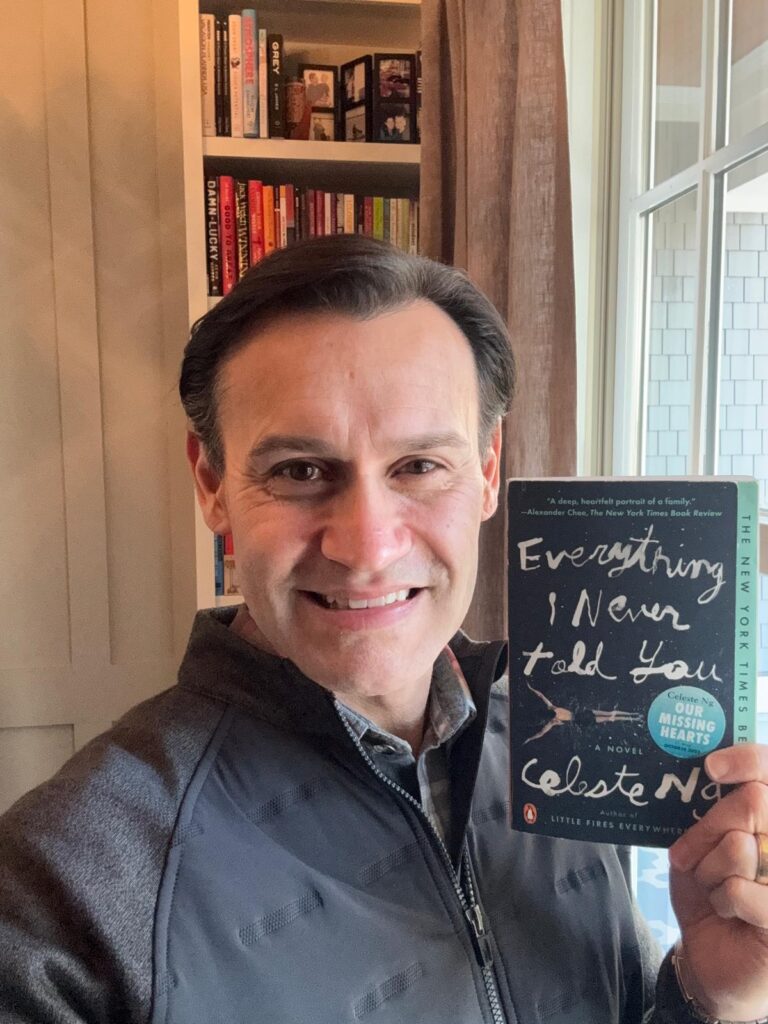
You do not remember this book for a shocking ending. You remember it for the way it makes you think about your own life.
Your family.
Your upbringing.
Your blind spots.
Your assumptions.
The things you never said because it felt easier not to.
It pulls at your heart. It opens your mind. It forces reflection.
This is the kind of book that makes you look at people differently. It reminds you that everyone is carrying something, whether they talk about it or not.
Final Thoughts
This is a quick read, but it is not a light one. It grabs you early and holds on until the end. It has depth. It has emotion. It delivers pain and sorrow without feeling manipulative. And it opens doors to the unspoken words that we all live with.
I would highly recommend this book to anyone. Not because it is comfortable, but because it is honest.
Golden Squeegee Rating: 4.5

A thoughtful, emotional, reflective story that reminds us how powerful, and how dangerous, silence can be.
Keep Shining.
